
New
Are you ready for Agentforce? Take our assessment to find out today!
    • Expertise
          • Product

          • Sales Cloud
          • Service Cloud
          • Account Engagement
          • Marketing Cloud Next
          • Revenue Cloud
          • Agentforce
          • Data 360 (Data Cloud)
          • CRM Analytics
          • Tableau Next
          • Experience Cloud
          • Industry

          • Manufacturing
          • Healthcare
          • High Tech
          • Financial Services
          • Media & Entertainment
    • Solutions
      • Consulting
      • Implementation
      • Managed Services
      • Health Check
      • Training
    • About Nebula
      • We Are Nebula
      • Meet the Team
      • Join Our Team
    • Resources
    • Login
    • Get in Touch
Share:

How to Develop your Lead Scoring Degradation Strategy

by Nebula Consulting
3rd January 2019 • 4 min read
Nebula Consulting
Share:

Scoring is one of the most useful tools available to a Pardot Administrator in terms of perfecting the alignment between Sales and Marketing. But how can a new lead scoring degradation strategy help your business?

Having a robust scoring strategy in place enables leads to be assigned to the Sales team at the right time. It is highly valuable for improving the lead conversion rate, elevating the Sales team’s productivity and shortening the sales cycle. 

However, if we consider a typical scenario of a lead being assigned to Sales at the point of a particular score threshold – e.g. when we reach a score of 100 – we should also think carefully about the fact that Pardot scores are cumulative over all time.

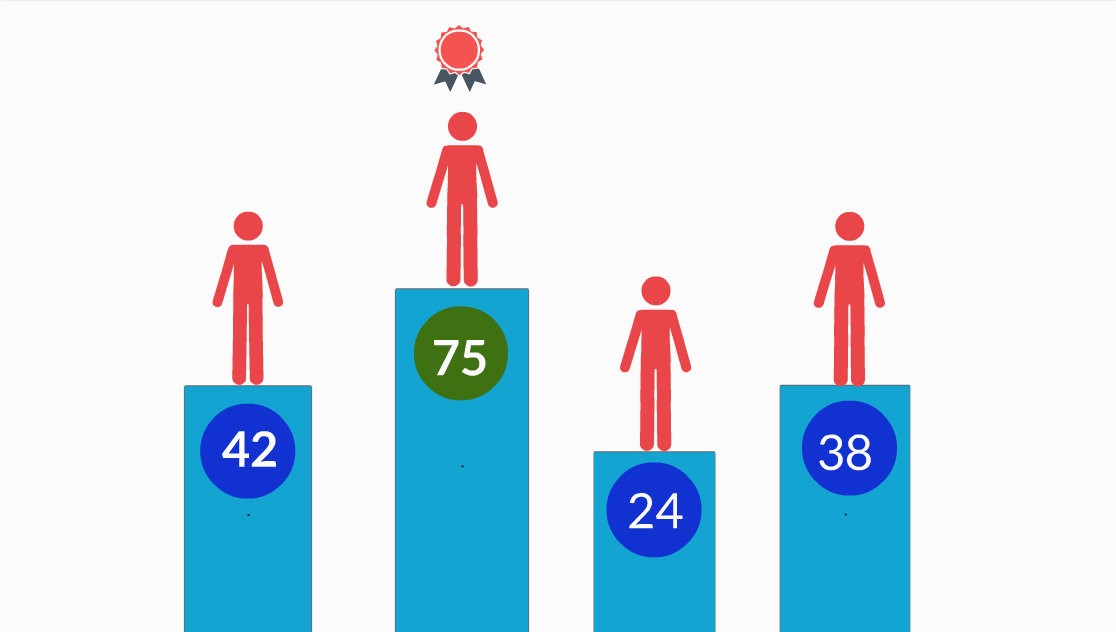
Let’s say two prospects have a score of 200.

One of these prospects might not have been active on your website for over two years, whereas the other prospect may have been on your website yesterday. 

Simply checking the score does not help us prioritise leads in this case. We could consider lead scoring degradation that could reduce a prospect’s score over time after defined periods of inactivity.

How does that work?

We would look at the prospect who previously had a score of 200 but hasn’t visited the website in two years. To more accurately reflect the prospect’s current value to the sales team we would update the score to less than 50. or even 0.

Automation Rules in Pardot provide two options in terms of how scores are degraded:

  • Reduce score by X every Y days/weeks of inactivity – allows a prospect’s score to be gradually reduced over time
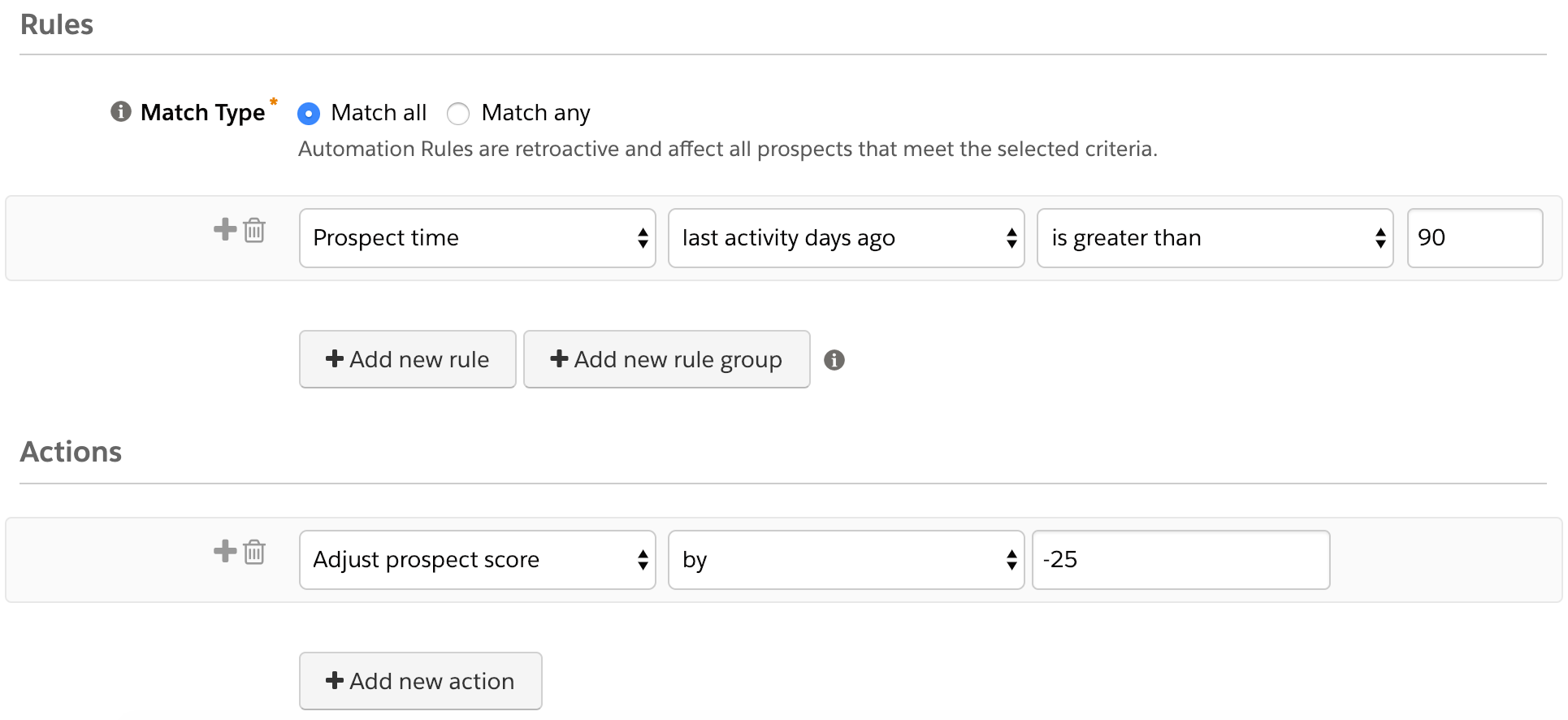
  • Reduce score to X every Y days/weeks of inactivity – typically would be used to reset a score to zero after a defined period of inactivity
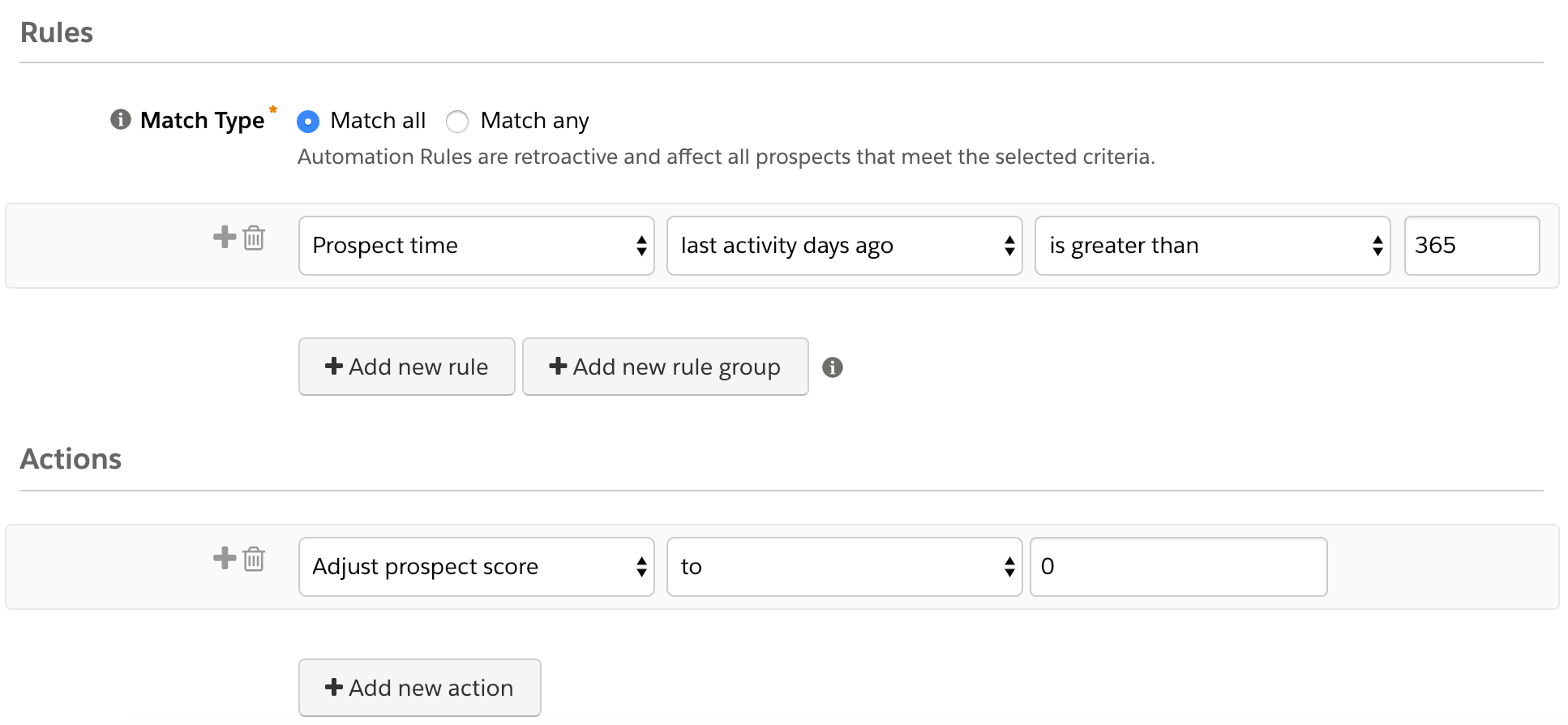
As a result, we now have several options, not only whether the score will be gradually reduced or reset, but also in terms of how long that will take to happen.

This is an important decision, especially since the scoring changes made by these automation rules cannot be reversed. Therefore it’s essential to take a data-driven approach to making this decision.

Below are four key considerations to explore which should provide insight into the right degradation strategy for your business:

1. Distribution of scores

Create a Salesforce report that shows how scores are distributed in your account. You could use a matrix report on bands of scores – e.g. 0-50, 51-100, 101-150 – using buckets and displaying this in a dashboard.

2. Communication cadence and frequency

Consider the pattern of emails which you send and their frequency in a weekly/monthly/quarterly period. This should impact how often you would expect prospects to click through to your website.

3. Sales cycle 

Consider your sales cycle length and qualification methods:

  • Do new prospects typically get qualified quickly, or do research across months?
  • How does your scoring fit into upsell/cross-sell/existing business re-purchases?
  • In addition to a score reset after inactivity, would it be appropriate to also reset the score once first qualified or when a deal closes?

4. Prospect journey 

Take around 20 prospects, a mix between your strongest existing customers, newly qualified prospects and also ones with closed lost opportunities and check their prospect records.

  • What is their typical pattern of engagement?
  • Is this different in customers v non-customers?
  • Did the lost opportunities engage differently to the ones you won?
  • How often do they visit your website or interact with marketing initiatives?
  • Do they visit the website, go dormant and then reactivate down the line?


Once you’ve explored these topics, you should have a much better view into the approach to scoring degradation. Before creating any automation rules just yet, remember to run through your ideas with your Sales team in order to get feedback and buy-in with your plans.

If you need any help or advice on your lead scoring setup, including scoring degradation, get in touch with our experts.


Find related resources by topic

Marketing

You may also be interested in

Fix the Foundations: Success in the Agentic Era Marketing Edition
Blog
Marketing

Fix the Foundations: Success in the Agentic Era Marketing Edition

We hear the announcements and on repeat about how the Agentic Era is here to transform the B2B and B2C landscapes. These changes will enable…

4 min read Read Blog
Laying the Right Foundations
Success Story
Account Engagement Sales Cloud

Laying the Right Foundations

Complex processes and cautious stakeholders hindered Redwheel's CRM adoption. Nebula's Account Engagement and Salesforce audits mapped the journey, restoring confidence and delivering a strategic roadmap for a powerful, sales-enabled CRM.

May 27, 2025 Read Customer Story
How to Avoid Completion Action Limits in Account Engagement (Pardot) Using Engagement Studio
Blog
Marketing

How to Avoid Completion Action Limits in Account Engagement (Pardot) Using Engagement Studio

Conditional completion actions and completion actions, while powerful, can quickly consume the available limits on your forms and form handlers. If you’ve been creating and managing…

3 min read Read Blog
Aligning Marketing and Sales for a Global Insurer
Success Story
Account Engagement Sales Cloud

Aligning Marketing and Sales for a Global Insurer

Poor email deliverability and disconnected data misaligned Lockton's sales and marketing. Nebula's Salesforce and Account Engagement integration established governance, delivering a 97% delivery rate, 25 empowered users, and transparent insights.

Apr 30, 2025 Read Customer Story
Upgrade Your Form UX with Toggle Switches
Blog
Marketing

Upgrade Your Form UX with Toggle Switches

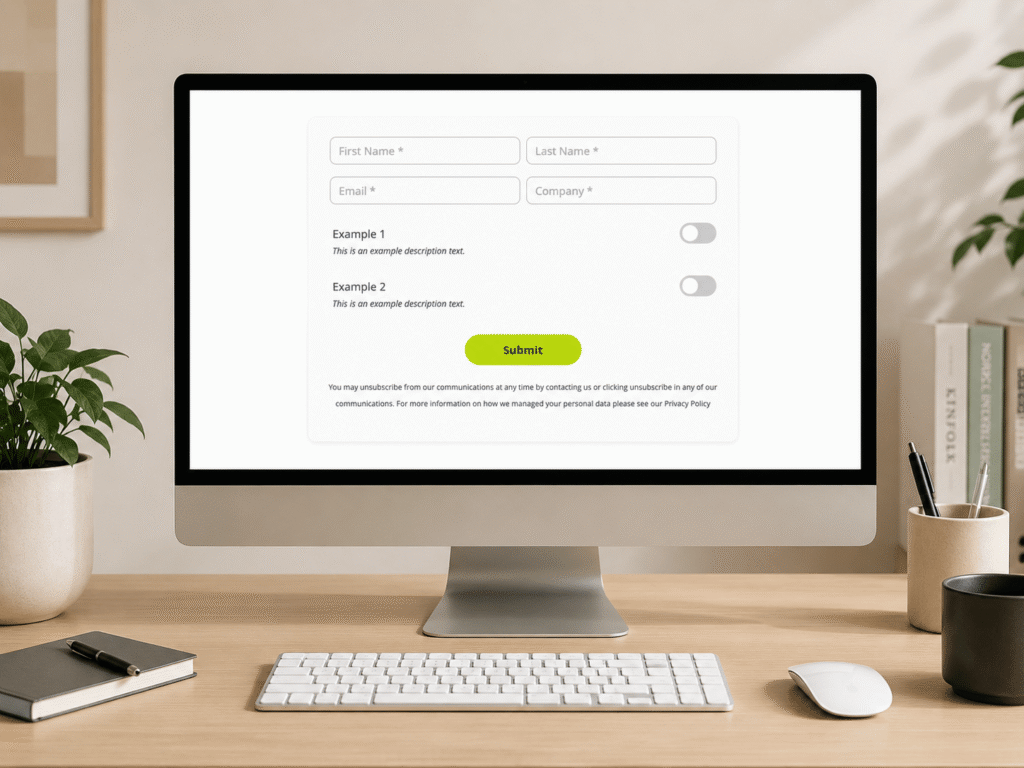
If you would like to modernise your forms, provide a slicker user experience, and match contemporary web design, follow our mini guide that helps you…

2 min read Read Blog
Creating a seamless membership experience
Success Story
Account Engagement Sales Cloud Service Cloud

Creating a seamless membership experience

Data silos and disparate systems hindered the World Travel and Tourism Council's membership experience. Nebula's Cvent integration, record cleansing and automated invoicing delivered rapid efficiency, unified data, and a 10-year partnership.

Jan 30, 2025 Read Customer Story
Account Engagement Landing Page Conversion Mastery
Blog
Marketing

Account Engagement Landing Page Conversion Mastery

Building pages that truly perform in Account Engagement isn't just about clicking buttons; it's about strategy, technical finesse, and empathy for the user. Here’s my…

5 min read Read Blog
Targeted Sales Enablement for Users
Success Story
Account Engagement CRM Analytics Sales Cloud

Targeted Sales Enablement for Users

Stale opportunities and missing data delayed Clarion Events' pipeline. Nebula's Einstein Next Best Action delivered intuitive guidance, surging stage moves by 132%, doubling activities, capturing crucial VAT details, and boosting CRM adoption.

Jan 3, 2025 Read Customer Story
5 Hidden Snags in Account Engagement
Blog
Marketing

5 Hidden Snags in Account Engagement

Managing Salesforce Account Engagement (Pardot) requires more than just marketing knowledge. Even in a well-established org, you can sometimes hit some invisible walls. Below are…

4 min read Read Blog
5 new Marketing Cloud Next features we’re excited to try
Blog
Marketing

5 new Marketing Cloud Next features we’re excited to try

The Spring ’26 release is here, and it’s a significant milestone for Marketing Cloud Next (also known as Agentforce Marketing). This release focuses on making…

4 min read Read Blog
Nebula

Our journey started in 2012 with a clear vision and core values. Nebula is dedicated to empowering our customers through fostering relationships founded on collaboration, flexibility, and trust.

  • We Are Nebula
  • Resources
  • Join Our Team
  • Terms and Conditions
  • Privacy Policy
The Space Aldgate,
Irongate House,
22-30 Dukes Place,
London EC3A 7LP
+44 207 112 8026
Get in Touch
Copyright © 2026 Nebula Consulting. All Rights Reserved.