


One topic that repeatedly causes confusion and frustration when using Account Engagement (Pardot) with Salesforce is the topic of Campaigns. In this post, I’ll attempt to untangle the differences between the two and explain what each one is useful for.
Note: Since this blog was written, a feature called Connected Campaigns has been released to create a 1:1 relationship between your Salesforce and Account Engagement campaigns. We updated this post in October 2023 to reflect those changes.
The two main questions that tend to come up around Campaigns are:
- Are Account Engagement and Salesforce Campaigns the same thing?
- Should Campaign success be reported from Salesforce or Account Engagement?
To answer those questions, let’s take a look at them separately.
Account Engagement Campaigns
Firstly, let’s start with Account Engagement Campaigns. Every time you create a marketing asset in Account Engagement (an email, landing page, form etc.), you need to select a Campaign to associate that asset with. This means that any interaction with that asset is tracked against that Campaign. Most importantly, the very first Campaign that a Prospect interacts with will be their Source Campaign. Let’s look at a couple of examples.
A new visitor visits a Landing Page promoting an event, associated with the Campaign ‘Customer Event 2017’ campaign. They fill in the form and become a Prospect in Account Engagement. Because the Landing Page is their very first interaction, ‘Customer Event 2017’ becomes their Source Campaign and the Landing Page is their Conversion Point.
A second visitor visits the same Landing Page via a social media link that has been sent from Account Engagement using the campaign ‘Twitter’. When they fill in the form and become a Prospect, their Conversion Point is the Landing Page, but their Source Campaign will be ‘Twitter’ as this was their first interaction, even though it happened before they became a Prospect.
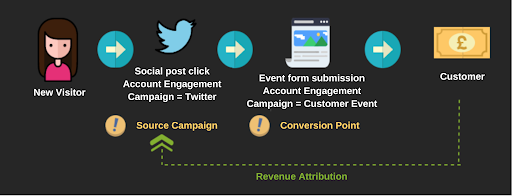
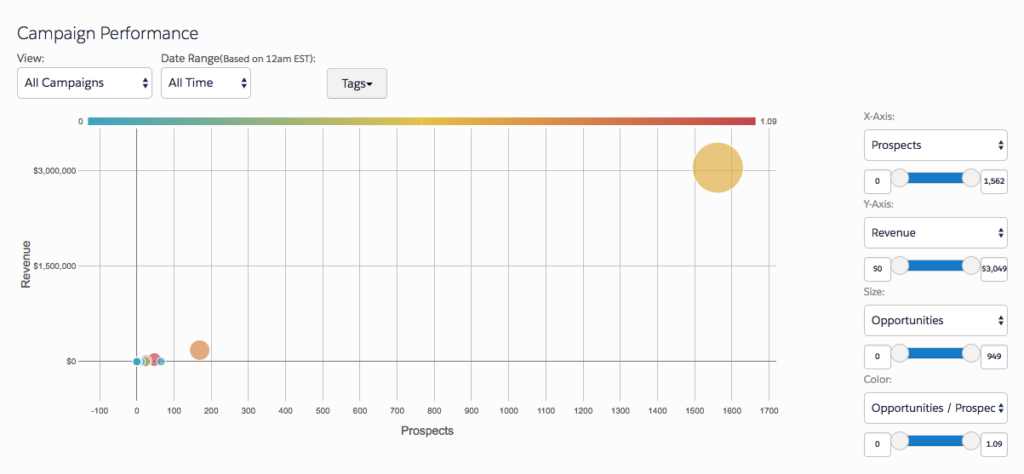
You track Prospect activities with Account Engagement Campaigns – that is the first-touch attribution model. Therefore, a Prospect’s Source Campaign will remain constant throughout its life in your database (unless you change that deliberately). If they subsequently become a customer, any revenue will be attributed back to their Source Campaign. You can see this in the Account Engagement Campaigns Report:
Salesforce Campaigns
The first thing to learn about Salesforce Campaigns is that they work differently from Account Engagement Campaigns. There is no direct relationship between them and how we use them to track and report on different aspects.
Now I’ve told you what Salesforce Campaigns aren’t, let’s look at what they are. You can add Salesforce Leads and Contacts directly to multiple Salesforce Campaigns to track all the different touchpoints or interactions they have with your brand. They act more like an Account Engagement List in this respect, being a group of individuals who are all linked by their participation in a certain marketing activity. So, this allows you to build more complex attribution reporting within Salesforce. Again, this is much easier to comprehend with an example.
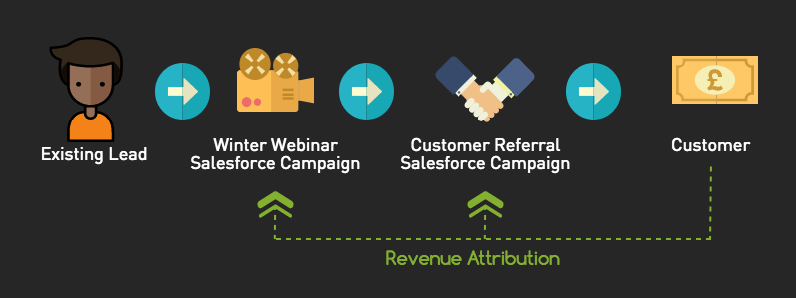
A Salesforce Contact attends the ‘Winter Webinar’ and also responds to a ‘Customer Referral’ campaign. In Salesforce, the Contact is a member of both Salesforce Campaigns with different statuses. When reporting on any Opportunities that this Contact has in Salesforce, Sales can use the Campaign Influence Reporting to assign how much influence both of these campaigns have had on that deal. So if the webinar triggered the initial discussion but the referral campaign was the final push to close the deal, the salesperson might choose to allocate 40% of the revenue to the ‘Winter Webinar Series’ and 60% to the ‘Customer Referral’ Campaign.
How do Salesforce Campaigns integrate with Account Engagement?
Although Salesforce Campaigns are very different from Account Engagement Campaigns, they are more similar to Account Engagement Lists in that individuals can belong to many different Salesforce Campaigns over their lifetime. Account Engagement integrates with Salesforce Campaigns in two ways:
- Add Account Engagement Prospects to Salesforce Campaigns using Completion Actions and Automation Rules
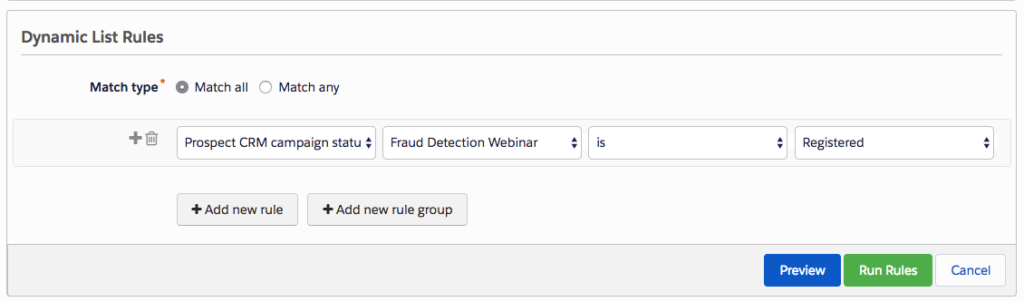
- Pull Salesforce Campaign Members into Dynamic Lists using the ‘Prospect CRM Campaign’ criteria
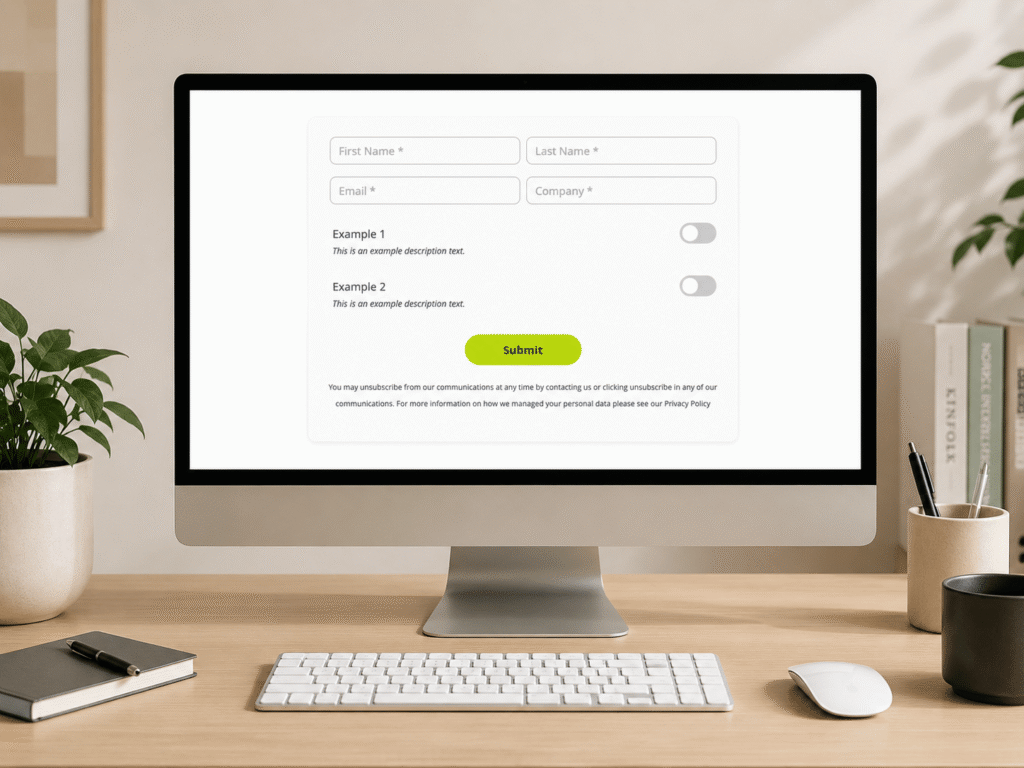
Let’s use the example of a Breakfast Seminar. There is a Landing Page set up that individuals fill in to register for the seminar. Following this, a Completion Action on the landing page’s form can add that individual to the Salesforce Campaign for that Breakfast Seminar* with a status of ‘Registered’.
*Remember, you need to create the Salesforce Campaign first and mark it as Active.

Then, in Account Engagement, Marketing can build a Dynamic List which searches for anyone who is a member of the Breakfast Seminar Salesforce Campaign with a status of ‘Registered’. Then, any time any Lead or Contact is added to the Breakfast Seminar with a status of Registered (whether that’s via the Completion Action above or directly in Salesforce), they will appear on this Dynamic List. You can use that list for reminder emails or to suppress individuals from any further invites.
Should you be using Salesforce Campaigns or Account Engagement Campaigns?
The simple answer is both because they are useful for different things. Account Engagement Campaigns is for tracking the initial touchpoint of a Prospect, so you can calculate a closed-loop ROI via the Account Engagement Campaigns Report. In contrast, Salesforce Campaigns is best to use to track multiple touch-points with a prospect. This means that multi-touch campaign attribution can be reported on via Salesforce.
Update: As of 2018, Connected Campaigns have been introduced to do as it says: connect the campaign management experience between Salesforce and Account Engagement. That means all the details of the campaign need to be managed on the Salesforce record, and only then you can use it in Account Engagement. This improvement helps cross-platform alignment and campaign reporting while it solves the confusion we all had before. Learn more here about Connected Campaigns.
If you need any help with setting up your campaigns, get in touch with our experts.
*This blog was originally published in November 2017