

I’ve always believed that nobody wakes up in the morning planning to mess up at work intentionally. But when people lack self-awareness about how their actions ripple across a team, it creates friction—leaving managers and colleagues quietly wondering, “What are they doing?”
Here’s how that played out at Nebula. As Head of Learning & Talent Development, I noticed a damaging habit: team members routinely escalated minor operational friction to line managers rather than speaking directly to their peers. Feedback got kicked down the road until the next scheduled 1-2-1. Because of these delayed communication loops, those minor bad habits compounded into major roadblocks. The result? Our leadership team was spending precious hours administering performance management initiatives for non-strategic issues that a five-minute conversation could have prevented and solved.
The solution, we needed a feedback culture to empower our team with the confidence to have those conversations whilst maximising cost efficiency. I designed an in-house workshop program rather than buying off-the-shelf content so the course was bespoke to the team. I built a blended learning experience around Carroll’s The Feedback Imperative, fundamental psychological principles, and our Strengthscope psychometric framework. The results, I designed a 3.5 hour workshop that was experiential and would engage the audience as opposed to death by PowerPoint.
To keep the concepts actionable and avoid cognitive overload, we anchored the rollout to Carroll’s COIN framework, establishing a shared vocabulary. COIN empowers a 2-way communication for both parties to discuss the Context, Observations, Impact and Next Steps of the feedback. When it came to next steps, we emphasised that the feedback giver will also share a degree of accountability and will ensure they too adopt an action to sharpen their behaviour. The feedback process transformed into a collaborative exchange, accelerating the feedback loop across Nebula.
The most important phase for the success of establishing a feedback culture was the Evaluation.To build confidence, I personally coached team members on structuring their feedback and practiced the conversation with them before they met with their peers. This ensured people felt supported and reassured as they built up the courage to have what they perceived as ‘difficult conversations’. It was also an opportunity for me, as their L&D practitioner, to ensure that the framework selected was adopted effectively, as this was critical to the success of those communications. We shared this gathered data on a monthly basis to demonstrate the feedback traffic we achieved as we developed our Feedback Culture. We also shared key themes discussed in those conversations, which informed us of recurring operational challenges across the team—primarily delayed communication, ambiguous expectations, and friction during collaboration. The tracking of live data empowered us to flex our approach on an ongoing basis and also informed us when the team started becoming independent in delivering feedback. This in turn acted as an indicator that the culture was confidently being established.
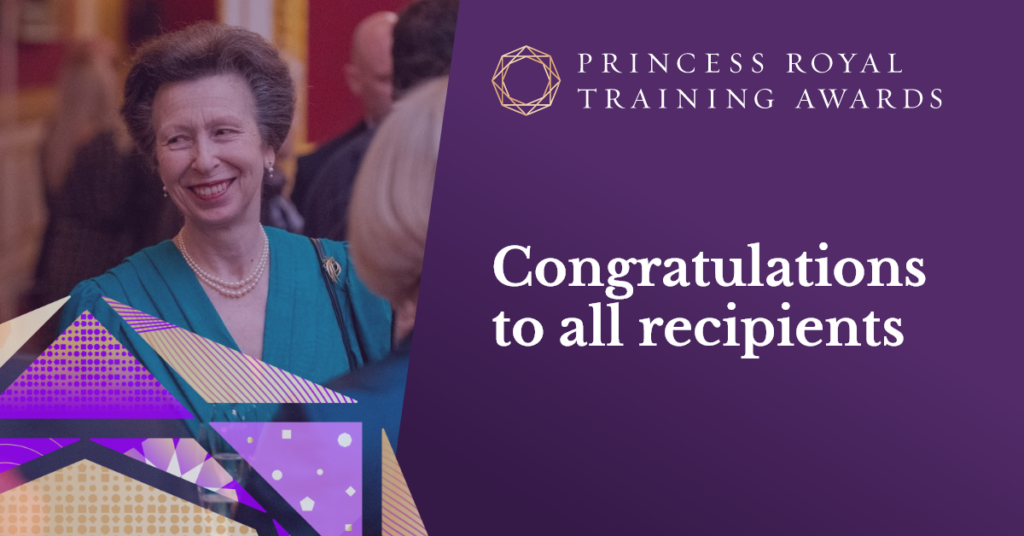
The programme proved so transformational that in January 2026, we entered the Princess Royal Training Awards for a chance to be externally recognised as well as to celebrate the team’s achievement. Out of 132 applications, only 56 organisations received the accolade—and Nebula was one of them! This prestigious national award celebrates organisations that put learning and development at the heart of what they do and can show the real and lasting impact that investing in people makes. Receiving this recognition is a proud moment for Nebula and a testament to the passion, commitment and dedication of colleagues across our organisation.
Winning the Princess Royal Training Award is incredible validation, but the real victory is hearing teams navigate through conversations with empathy, clarity, and shared accountability. Building a true feedback culture isn’t about buying expensive external tools. Instead, it’s about collective effort across your organisation and most importantly, empowering your people with a simple, shared language and the psychological safety to use it every day.